Halloween: The Fed cut, and yields went up
Yields rise after cuts
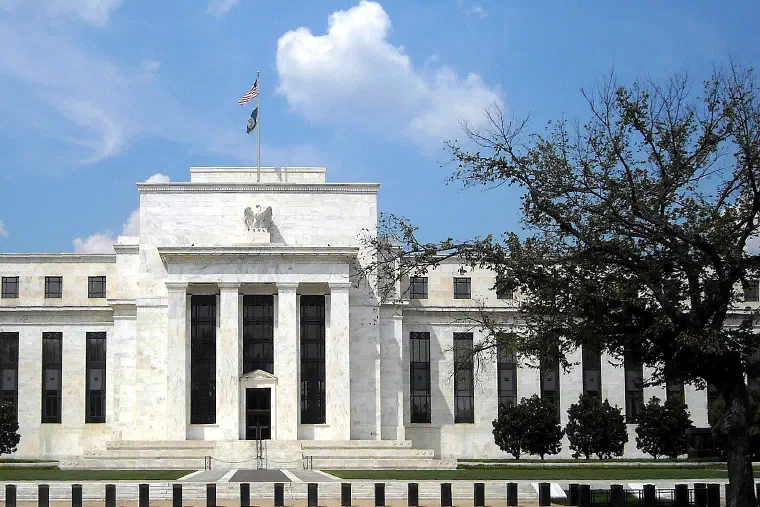
On Halloween, bond investors were confronted with a genuine fixed-income horror show. Exactly six weeks after the Federal Reserve initiated its monetary easing cycle with an aggressive 50-basis-point rate cut, the benchmark ten-year US Treasury yield touched 4.28 per cent—an astonishing 66-basis-point increase since the easing was announced.


The Post-Cut Duration Nightmare
Historically, central bank rate cuts trigger lower bond yields and easing financial conditions across the sovereign curve. This time, the easing triggered the opposite: a ferocious steepening of the curve powered by resilient economic growth, rising inflation expectations, and election deficit anxieties. Investors who purchased duration to capture a rate-cutting windfall have been thoroughly haunted by bond market reality.


The dramatic surge in Treasury yields following the Fed’s jumbo rate cut is a brutal demonstration that easing into a booming economy will steepen the yield curve rather than lower long-term yields.