Gold breaks $3,700
Reserve demand overrides real yields
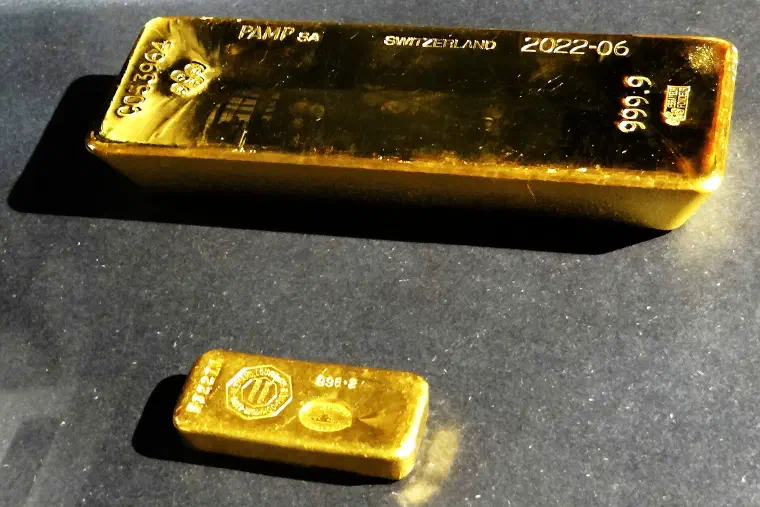
Spot gold prices surged through the historic $3,700 per ounce barrier, trading near $3,750 and delivering one of the most explosive bullion rallies in modern financial history. The ascent of gold has completely decoupled from traditional econometric models based on US real interest rates and dollar strength.


The Weaponization of the Financial Plumbing
Historically, gold prices moved inversely with US real yields: when inflation-adjusted sovereign yields rose, holding non-yielding bullion became expensive. That relationship has shattered. Gold's relentless rally is being driven by an insatiable, price-insensitive structural bid from foreign central banks and sovereign reserve managers across the Global South, actively diversifying away from dollar-denominated reserves following the weaponization of trade tariffs and asset sanctions.


The Ultimate Sovereign Hegemony Hedge
For sovereign treasuries, physical gold held within domestic vaults represents the only asset with zero counterparty risk, zero sanction vulnerability, and total legal immunity from Western executive decrees. Gold trading above $3,700 is not a speculative retail bubble; it is the physical market clearing price of a historic global dedollarization trend, as central banks sacrifice yield to secure un-sanctionable sovereign reserves.