Flying blind: no jobs report
Private data substitutes for BLS

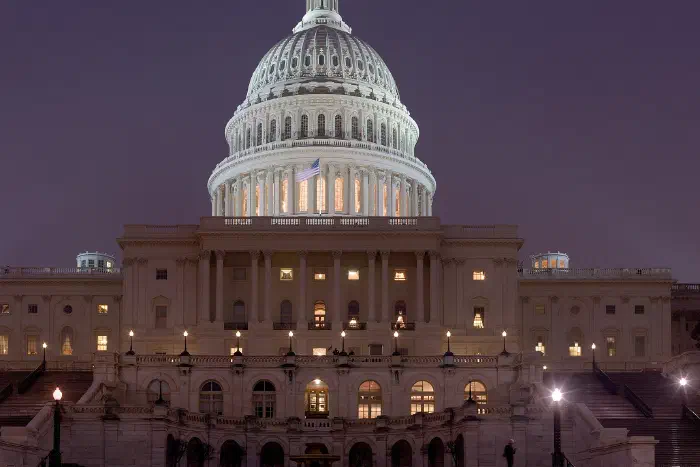
For the first time in modern monetary history, the first Friday of October arrived without an official Employment Situation report from the Bureau of Labor Statistics. With the federal government shuttered by a congressional funding impasse, Wall Street trading desks and Federal Reserve staff were forced to navigate macroeconomic waters using noisy private proxies.

The Substitution of Private Data
In the absence of official establishment figures, institutional investors leaned heavily on ADP payroll reports, Revelio Labs corporate postings, and high-frequency credit card transaction data. However, private aggregators suffer from severe sampling biases: ADP reflects payrolls from established corporate clients, heavily under-representing small business closures and public sector reductions. Truncated private data creates an artificial sense of labor market stability.

Derivative Hedging Surges
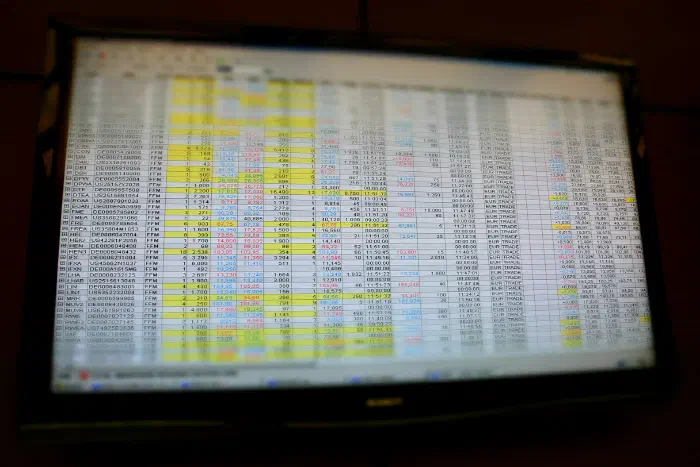
The information vacuum triggered an immediate surge in derivative hedging costs. Without official BLS numbers to anchor volatility benchmarks, interest rate option implied volatility spiked as traders priced in the risk of massive backward revisions once the government reopens. Flying blind without official labor statistics forces financial markets into noisy speculative guesswork, widening liquidity spreads across Treasury futures and corporate debt.