Economists can't agree on where rates should settle
Filter-based vs forward-rate r*
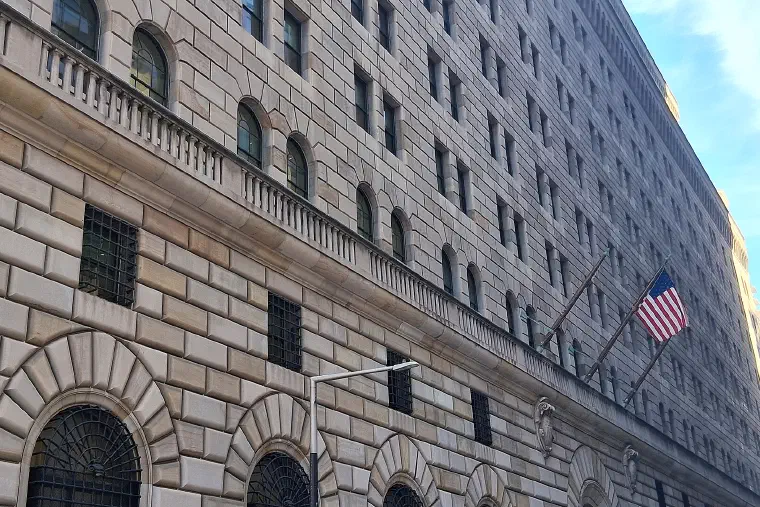
The annual Jackson Hole symposium has exposed the deep intellectual fractures dividing monetary theorists. As policymakers debate whether current interest rates are sufficiently restrictive, economists remain utterly unable to agree on where the neutral rate of interest (r*) actually resides. The ambiguity is not a minor statistical rounding error; it is the fundamental parameter that determines whether central banks should keep tightening or begin easing.
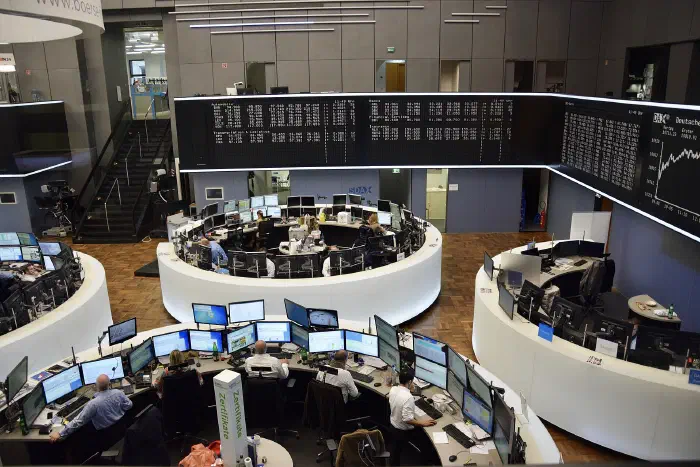

Model Uncertainty at Jackson Hole
Standard semi-structural models, such as the Holston-Laubach-Williams framework, continue to estimate r* near historical lows around one per cent, suggesting policy is currently hyper-restrictive. Conversely, financial market pricing and persistent economic momentum imply that the real neutral rate has drifted significantly higher. Policymakers are effectively flying a supersonic jet through dense fog with an altimeter that has lost calibration.


Operating monetary policy without a dependable measure of the neutral rate turns central banking into an exercise in pure trial-and-error, where the true policy boundary is discovered only when something breaks.