Diwali: India's gold habit is weighing on the rupee
Festive gold imports widen current-account deficit
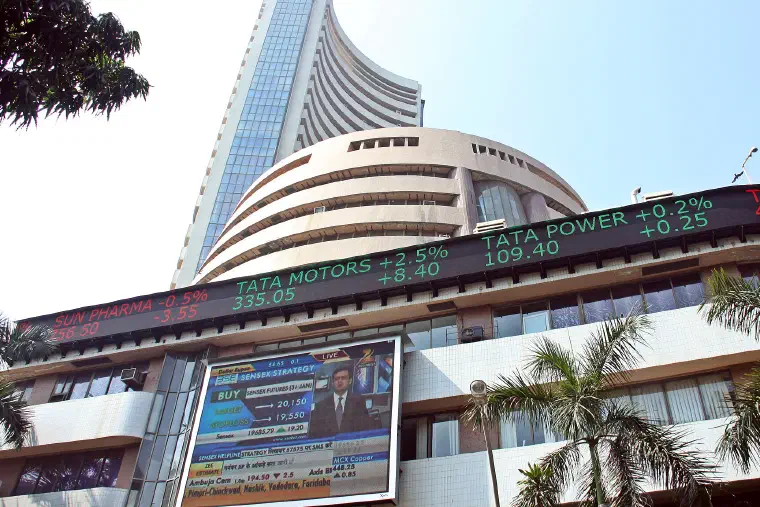
As millions of Indian households celebrate Diwali on 24 October, shopping districts across Mumbai and New Delhi are witnessing the customary festive surge in gold purchases. The acquisition of physical gold during Dhanteras and Diwali is among the oldest consumer traditions in the global economy, seen as an essential harbinger of domestic prosperity. Yet on the foreign exchange trading desks of Mumbai, this annual gold rush is viewed with intense dread. The country's insatiable appetite for bullion represents an unhedged structural drain on the current account, one that has pushed the Indian rupee past the psychologically sensitive threshold of 83 per dollar for the first time in history.
India imports virtually all the gold it consumes, making bullion the second-largest component of the national import bill after crude oil. In an ordinary year, these imports are comfortably funded by foreign portfolio inflows and robust software service exports. In 2022, however, the festive gold season arrives at a moment of extreme external vulnerability. With the Federal Reserve rapidly driving global interest rates higher and crude oil holding above $90 per barrel, India's balance of payments has suffered a severe terms-of-trade deterioration that leaves the rupee completely exposed to domestic consumer habits.

The Balance-of-Payments Leak
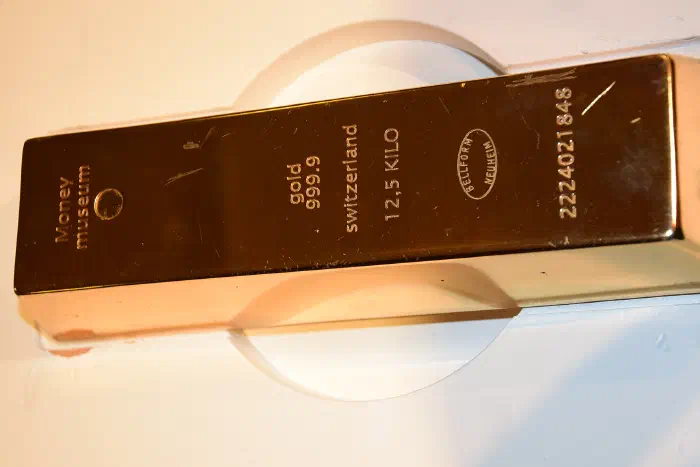
The economic transmission from the jewellery bazaar to the foreign exchange market is direct and mechanical. When Indian retail buyers purchase gold coins, bangles, and bullion bars, domestic bullion dealers must settle the physical import contracts in US dollars. In a festive season where imports routinely surge to between eighty and one hundred tonnes in a single month, this translates into an immediate dollar outflow of five to six billion dollars.
Because gold is an imported consumer asset that generates zero domestic productive capacity, these festive outflows represent pure capital leakage. The demand does not enhance domestic infrastructure or create industrial export capacity; it converts domestic rupee savings into physical metal that sits idle in domestic vaults and safety deposit boxes. At a time when the trade deficit is already running at historic highs near thirty billion dollars a month, absorbing an additional multi-billion-dollar gold bill forces the Reserve Bank of India to make an uncomfortable choice between depleting its foreign exchange reserves or allowing the rupee to depreciate.

The Reserve Bank's Dilemma
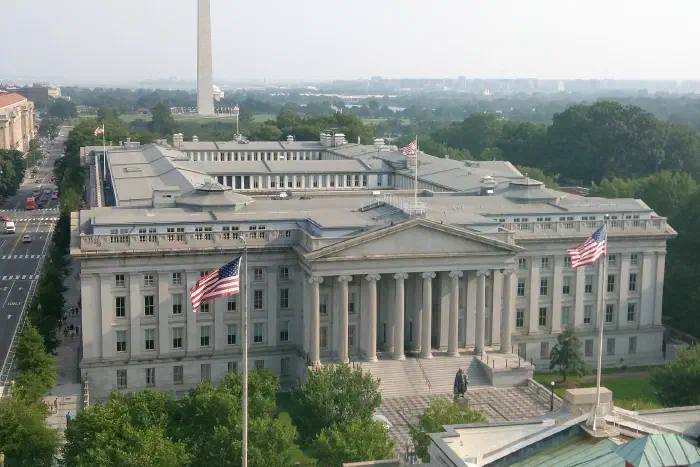
The Reserve Bank of India has fought a valiant defensive action throughout 2022, drawing down its foreign exchange reserves by nearly one hundred billion dollars from their peak to smooth currency volatility. Yet intervening to defend a currency against structural import demand is an expensive, self-defeating endeavor. The central bank's dollar sales absorb rupee liquidity from the domestic banking system, tightening financial conditions and pushing domestic borrowing costs higher just as the festival season seeks credit support.
Government authorities have attempted to dampen physical demand by elevating the basic customs duty on gold imports to 12.5 per cent earlier this year. However, decades of historical experience demonstrate that tariff barriers do not extinguish India's gold appetite; they merely widen domestic premiums and incentivise unofficial smuggling channels, leaving the underlying foreign exchange pressure entirely intact. For the average Indian household, facing elevated domestic inflation and volatile equity markets, physical gold remains the ultimate trusted store of value.
The irony of Diwali 2022 is that the domestic celebration of wealth is directly undermining the purchasing power of the national currency. So long as Indian household wealth remains structurally wedded to physical bullion imports, the rupee will remain uniquely vulnerable to every external terms-of-trade shock. The festival lights will shine brightly across India tonight, but in the dealing rooms of the central bank, the relentless arithmetic of the gold drain guarantees a long, cold winter for the rupee.