Cyber Monday: Record spending, more buy now, pay later
Deferred-payment credit risk
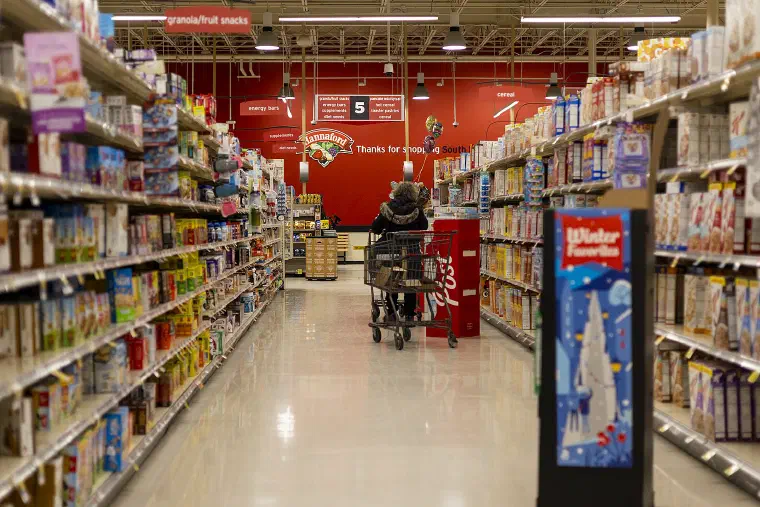
Cyber Monday set a staggering new digital retail spending record, surpassing $13 billion in online transactions according to Adobe Analytics. However, a forensic examination of payment checkout methods reveals a concerning macroeconomic development: the explosive, double-digit growth of Buy Now, Pay Later (BNPL) financing facilities.


The Shadow Consumer Credit Expansion
Faced with depleted savings reserves, elevated revolving credit card interest rates exceeding 22 per cent, and compounding everyday price levels, millions of American consumers financed holiday gift purchases through point-of-sale installment loans. By deferring payments across four equal fortnightly installments, shoppers maintained optical consumption volumes while quietly expanding off-balance-sheet household leverage.

The Q1 Household Cash-Flow Hangover
BNPL financing does not eliminate the cost of purchases; it merely schedules an acute household cash-flow drain for the first quarter of the new year. When the installment bills come due in January and February alongside post-holiday credit card statements, consumer discretionary spending capacity will face a severe contraction. Cyber Monday’s record spending print is an optical illusion powered by deferred-payment credit expansion, setting up an unforgiving consumer spending cliff in early 2026.