Country Garden and the end of China's property model
Presales model breaks without new sales
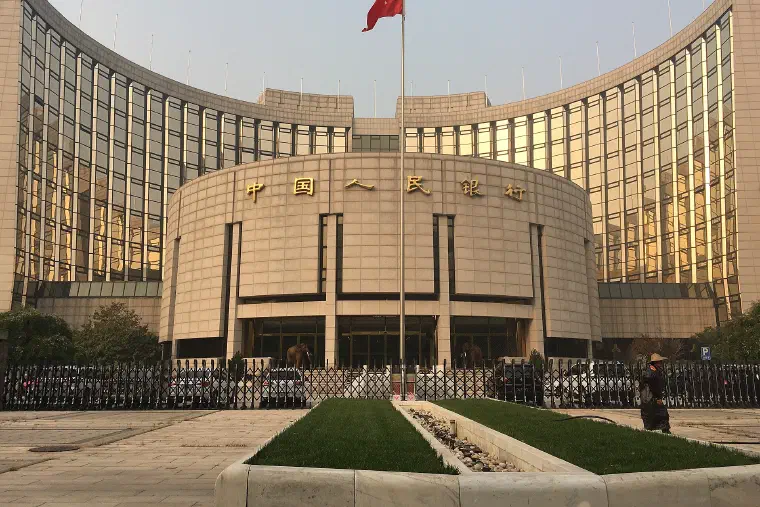
When Country Garden, once China’s largest and most reputable private property developer, failed to meet $22.5 million in international bond coupon payments, the final pillar of China’s private real estate model cracked. Country Garden was not an aggressive, speculative outlier like Evergrande; it was a conservative, sprawling developer focused on lower-tier cities. Its liquidity failure marks the structural death of the presales business model.
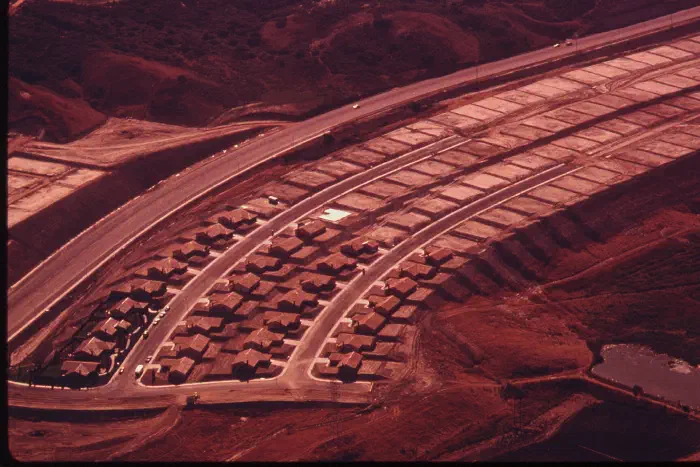

The Presales Death Spiral
For two decades, Chinese developers operated as synthetic shadow banks, financing operations via upfront cash collected from prospective homebuyers before bricks were laid. That model requires unshakeable consumer faith that homes will be delivered. Once that faith evaporates, contracted sales collapse, eliminating the cash flows needed to complete projects and service debt. No amount of regulatory forbearance can revive a business model whose funding mechanism has vanished.


Country Garden’s default is not merely another corporate restructuring, but the symbolic end of an era for the private development engine that powered Chinese growth for twenty years.