Christmas: Why markets go quiet — and fragile — at year-end
Year-end balance-sheet constraints

As the trading year draws to its traditional close, financial markets enter a ritualized phase of quiet that casual observers mistake for tranquility. Trading desks reduce headcount, volumes in cash Treasuries and euro-dollar futures drop by half, and bid-ask spreads widen imperceptibly. Yet this annual pause is underpinned by acute structural fragility. Under modern Basel III and G-SIB capital frameworks, the final trading days of December represent a balance-sheet obstacle course where global dealer banks aggressively shed risk-weighted assets to avoid punishing regulatory surcharges.
The operational constraint is straightforward: a bank's global systemic importance score is calculated based on year-end snapshots of its balance sheet. Expanding repo lines or warehousing off-the-run sovereign debt in late December attracts punitive capital charges that persist for the entirety of the following calendar year.


The Clearing Void
To optimise these regulatory metrics, prime brokers and primary dealers systematically withdraw from intermediate market-making. Cash borrowers seeking overnight repo financing find the repo window rationed or exorbitantly expensive, while basis trades that rely on bank balance-sheet intermediation are summarily unwound.
In this illiquid vacuum, even modest customer order flows can trigger outsized price gaps. What would be an ordinary corporate rebalancing trade on a Tuesday in October becomes an intraday liquidity flashpoint in the final week of December.
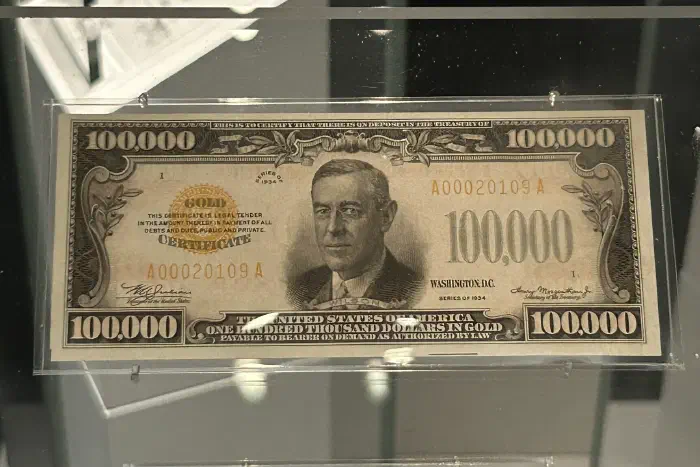

The Illusion of Stability
With 10-year US Treasury yields drifting near 3.75 per cent into the holiday close, surface-level asset prices appear benign. But the apparent calm is manufactured entirely by an absence of transactional volume rather than deep two-way liquidity.
The Federal Reserve's Overnight Reverse Repo Facility (ON RRP) absorbs over two trillion dollars in excess cash precisely because private intermediaries cannot afford to hold deposits on their balance sheets. Year-end quiet is an artificial construct of post-crisis regulation, masking an illiquid market structure that turns fragile the moment unexpected external shocks hit year-end books.