Christmas: The boom that arrived late
Delayed data overstates momentum

As the holiday season arrived, Wall Street was presented with an extraordinary economic gift: a delayed government report showing third-quarter gross domestic product roaring at 4.3 per cent. Yet beneath the festive headlines sat an undeniable macroeconomic disconnect between official statistical retrospectives and real-time Main Street reality.
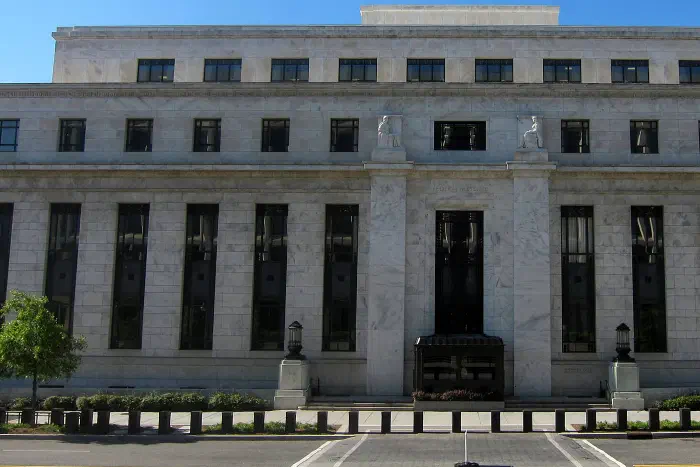

The Statistical Ghost of Past Quarters
National income accounting is inherently backward-looking, but a government shutdown expands that latency into complete irrelevance. The 4.3 per cent growth figure reflects economic momentum that existed before the full weight of cumulative import tariffs, hiring freezes, and credit spread widening took hold. Retailers executing holiday sales reported cautious foot traffic and aggressive reliance on promotional installment financing.


Corporate Budgeting Realities
Corporate executive committees finalizing 2026 operating budgets are pointedly ignoring the backward-looking GDP print. Capital allocation plans for the coming year are dominated by defensive cost control, IT software rationalization, and margin preservation against trade policy volatility. Christmas 2025 delivers the optical illusion of an economic boom, but corporate treasurers recognize that the delayed 4.3 per cent print is a rear-view mirror artifact that bears no resemblance to the challenging terrain ahead.