Christmas: Is the Santa rally real?
Seasonal anomaly significance
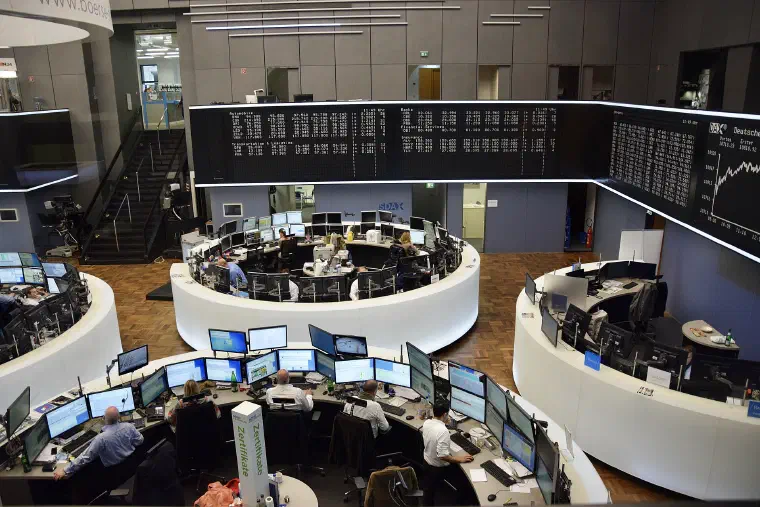
The final trading days of December are traditionally greeted on Wall Street with mystical references to the 'Santa Claus rally'—the statistical tendency for equities to drift higher into year-end. Having racked up nine consecutive weeks of gains, the S&P 500 enters the final holiday stretch with speculative momentum pinned to maximum throttle. Yet quantitative analysts know that seasonal anomalies are the weakest foundation for capital allocation.
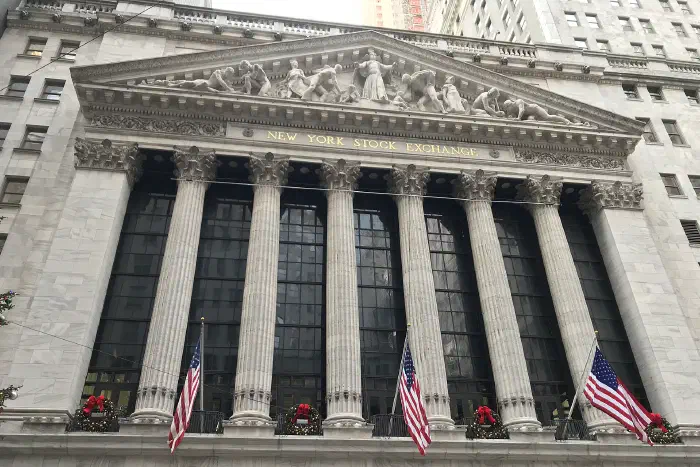

The Year-End Window Dressing
The year-end equity melt-up is not driven by seasonal magic, but by mundane institutional plumbing: thin holiday trading liquidity, systematic short-covering, and aggressive 'window dressing' by active fund managers eager to display winning tech mega-caps in year-end client reports. When a rally is powered by mechanical liquidity and low volume, it leaves the market acutely vulnerable to violent reversals once real liquidity returns in January.


The Santa Claus rally is an agreeable seasonal diversion, but relying on thin holiday liquidity to justify stretched equity valuations is a recipe for a brutal January hangover.