China's rare earths are its best weapon
Export controls vs tariffs
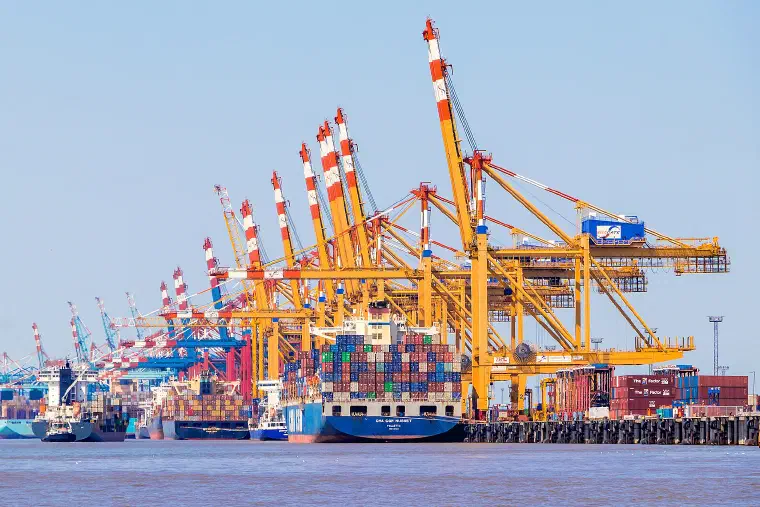
As bilateral trade negotiations reconvened in London on 9–10 June, Beijing deployed its ultimate strategic countermeasure: aggressive export controls and licensing quotas on heavy rare earth elements, gallium, germanium, and permanent magnet assemblies. The message to Western trade negotiators was unmistakable: tariffs are a game of taxes, but export controls are a game of industrial survival.


Asymmetric Supply-Chain Leverage
While the United States can unilaterally impose tariffs on consumer goods, China commands an effective monopoly over the refining and processing of critical minerals essential for defense guidance systems, wind turbines, and electric vehicle traction motors. By restricting export licenses, Beijing bypassed price mechanisms entirely, directly choking physical component supply to Western defense contractors and automotive OEMs.


The Western Re-Shoring Deficit
Developing domestic rare earth processing infrastructure requires hazardous environmental permitting, specialized chemical refining, and a decade of capital deployment. Western supply chains cannot replicate China’s heavy rare earth separation capacity in ninety days. China's rare earth export controls expose the fundamental vulnerability of Western industrial strategy: while Washington can tax physical imports at will, Beijing controls the un-substitutable molecular building blocks of modern advanced industry.