China's cheap EVs meet Europe's tariffs
Subsidised capacity meets tariff walls
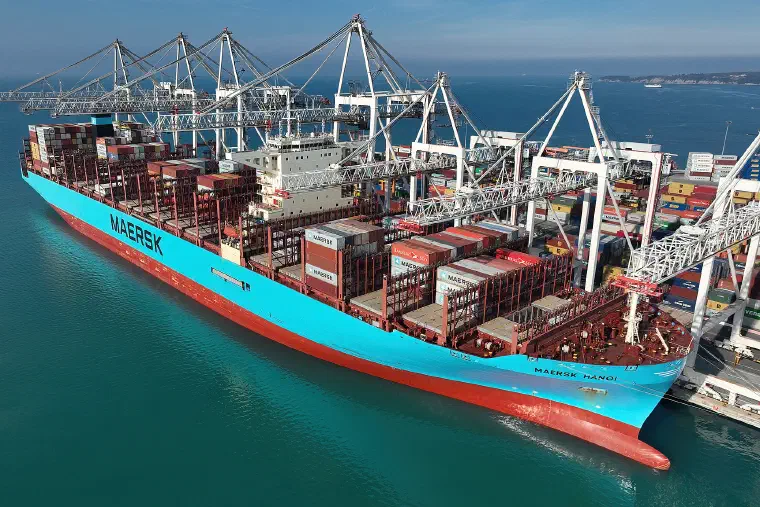
The European Commission has officially drawn its trade battle lines, imposing provisional countervailing duties of up to 38.1 per cent on imports of Chinese battery electric vehicles (EVs). Brussels concluded that massive, state-directed subsidies across China’s supply chain allow its automakers to dump vehicles in Europe at artificially depressed prices, threatening domestic manufacturing.


The Subsidised Capacity Collision
For European automakers, the tariff wall provides a temporary shield, but it invites immediate retaliation against German luxury exports to China. Furthermore, Chinese manufacturers have established such commanding cost advantages in battery chemistry and automated assembly that even a forty-per-cent tariff may fail to eliminate their retail price advantage. Protectionism can delay structural disruption, but it cannot cure industrial inefficiency.
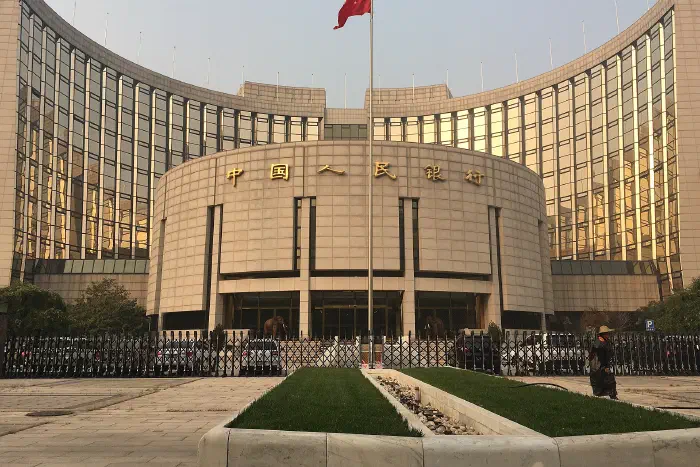

European tariffs on Chinese EVs are a desperate attempt to protect legacy domestic automakers, but trade barriers cannot compensate for a decade of fallen-behind industrial innovation.