China holds the yuan steady
PBoC resists competitive devaluation
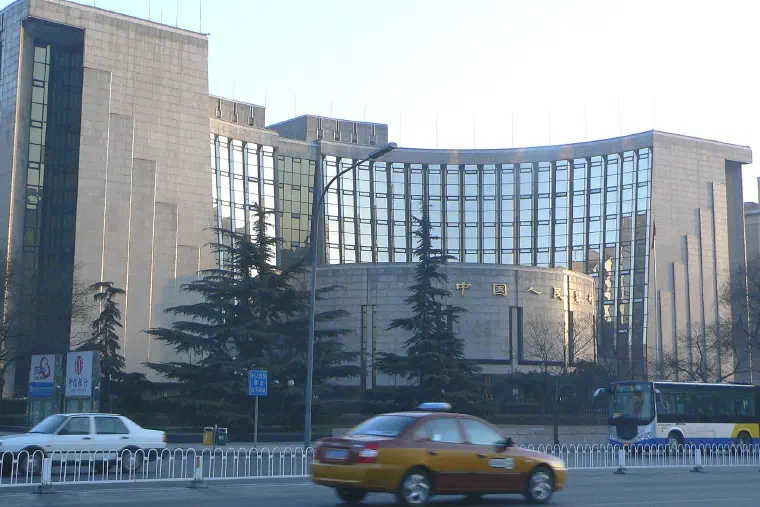
Amid sweeping American tariff escalation and widespread expectations that Beijing would resort to competitive currency devaluation to offset border duties, the People’s Bank of China delivered an unambiguous message: the onshore yuan will be held firmly anchored near 7.20 per dollar. The central bank utilized aggressive daily fixings and state bank dollar selling to erect a rigid valuation floor.
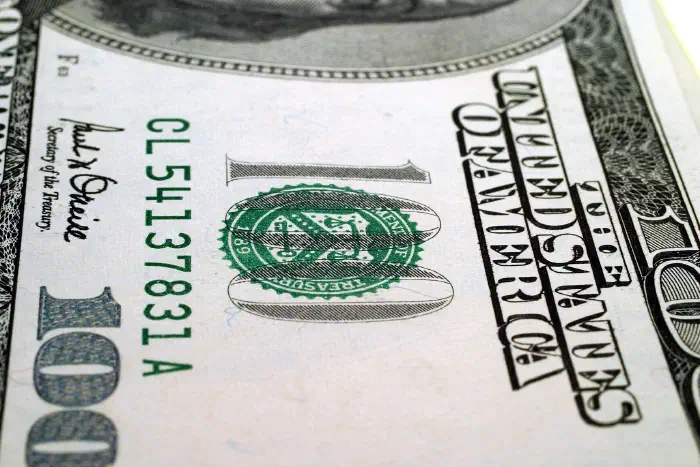

The Cost of Competitive Devaluation
While depreciating the yuan would theoretically cushion Chinese exporters against US border levies, Beijing's economic leadership recognizes that currency devaluation carries fatal systemic costs. A sharp slide in the yuan would trigger immediate domestic capital flight, destabilize an already fragile domestic real estate and equity market, and provoke secondary tariff retaliation from European and Southeast Asian trade partners whom Beijing is actively courting.


The Dedollarization Imperative
Furthermore, China’s overarching long-term geopolitical objective is establishing the yuan as a stable, dependable cross-border settlement and reserve currency across the Global South. Engineering an erratic currency devaluation to neutralize short-term trade frictions would destroy years of patient institutional progress in internationalizing the currency. By anchoring the yuan at 7.20, China has chosen financial stability and currency credibility over short-term export relief, refusing to grant Washington the excuse to declare a full-scale currency war.