Carmakers face 25% tariffs
OEM margins vs parts origin
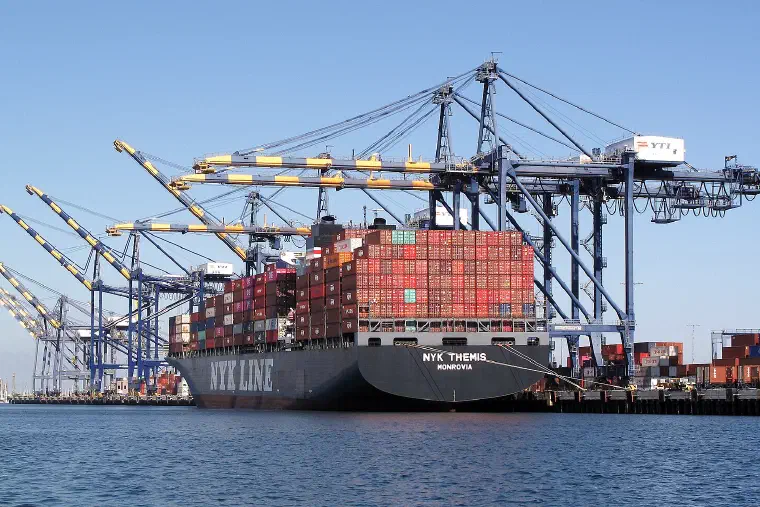
The automotive industry’s worst geopolitical nightmare materialized as Washington enacted sweeping 25 per cent tariffs on imported motor vehicles and critical automotive sub-assemblies. The executive order upends a globalized manufacturing model that has spent fifty years perfecting continental supply-chain integration, placing corporate balance sheets and operating margins directly in the crosshairs.


The Assembly Line Fragility
Modern passenger cars contain approximately thirty thousand individual components sourced across dozens of jurisdictions. Imposing a 25 per cent border duty based on national origin creates an operational nightmare for original equipment manufacturers (OEMs). Vehicles assembled in North America that rely on foreign transmission modules, sensor arrays, or battery cells face punitive levies that immediately destroy the thin four to six per cent operating margins standard across the volume automotive sector.


Consumer Elasticity and Output Cuts
Automotive executives cannot absorb a 25 per cent tariff shock within existing cash-flow buffers, nor can they pass an estimated $4,000 to $7,000 price increase per vehicle directly to cash-strapped car buyers facing six-year, eight per cent auto loans. The immediate industry response will be production line curtailments, model cancellations, and deferred electric vehicle capex. Automotive tariffs will not magically repatriate complex industrial supply chains overnight; they will simply inflate showroom prices, depress domestic vehicle demand, and trigger factory furloughs across the automotive heartland.