Boxing Day: Why money markets get jumpy at year-end
Turn-of-year funding spikes
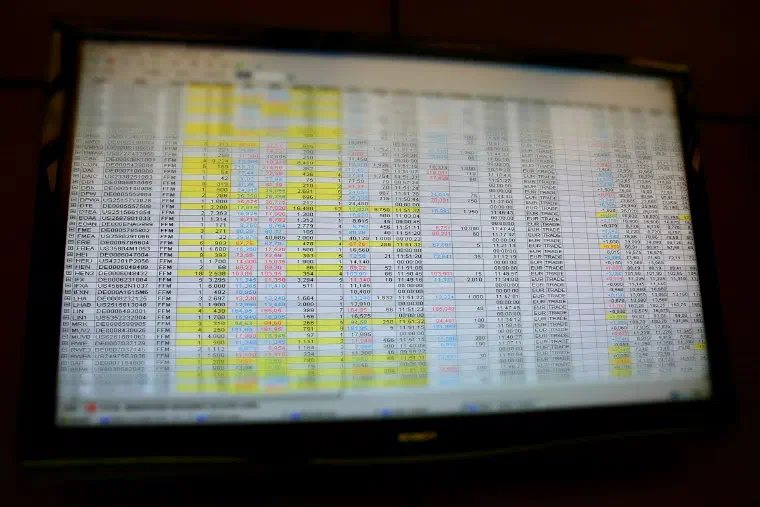
As the calendar turns toward year-end, money market desks are once again navigating the predictable, mechanical volatility that plagues wholesale funding markets. The Secured Overnight Financing Rate (SOFR) has experienced sudden upward spasms, reflecting acute balance-sheet constraints among primary dealers and global systemically important banks.


The Regulatory Window-Dressing Crunch
Under Basel G-SIB rules, global banks calculate their systemic risk scores based on year-end balance-sheet snapshots, creating an intense regulatory incentive to temporarily shrink balance sheets and withdraw repo liquidity on the final trading day of the year. This annual regulatory friction forces non-bank borrowers to pay steep funding premiums to secure turn-of-year cash. The plumbing works, but only through artificial market contortions.

Year-end money market volatility is a predictable regulatory artifact, demonstrating how annual balance-sheet rules temporarily distort wholesale funding liquidity across the financial system.