Boxing Day: The year-end squeeze in money markets
Bank balance-sheet shrink at year-end

While equity investors were enjoying eggnog and holiday rallies, money market desks were navigating the quiet, annual liquidity squeeze that accompanies year-end balance-sheet reporting. At year-end, global systemically important banks (G-SIBs) aggressively contract their balance sheets to minimise regulatory surcharges under Basel rules, temporarily withdrawing market-making capacity from repo markets.
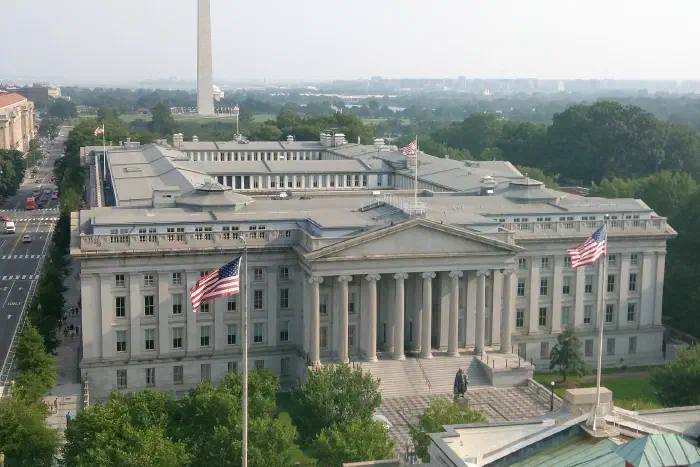

The Basel Score Retreat
This balance-sheet window-dressing forces non-bank counterparties to park surplus liquidity into the Federal Reserve’s Overnight Reverse Repo facility, creating synthetic spikes in repo borrowing rates. While the Fed’s standing repo facility provides a crucial ceiling, the annual year-end money market contortion highlights the regulatory frictions embedded in post-crisis banking rules. The plumbing works, but only because the central bank serves as the universal counterparty.

The predictable year-end squeeze in repo markets is an artificial artifact of banking regulation that temporarily warps wholesale liquidity to flatter annual regulatory balance sheets.