Black Friday: Shoppers race to beat the tariffs
Import pull-forward, strong dollar
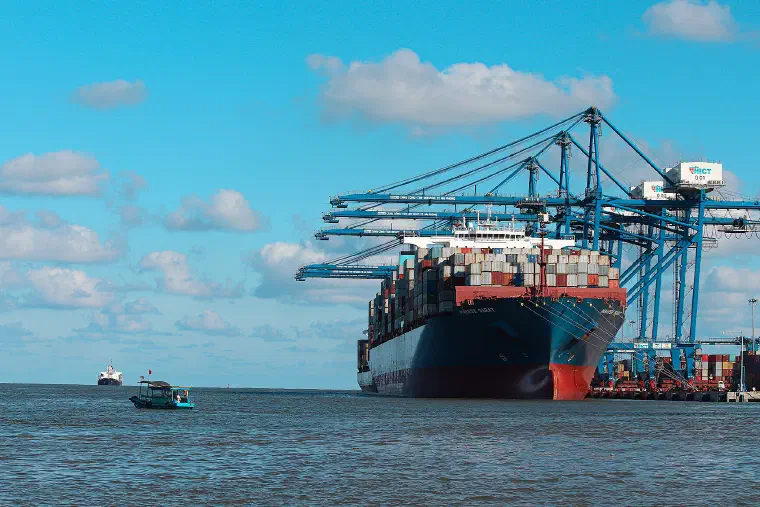
Black Friday shopping malls and e-commerce platforms buzzed with an unusual sense of urgency this year. As holiday promotions unfolded, consumer behavior was shaped not merely by seasonal gifting traditions, but by widespread anxiety that impending import tariffs will trigger sharp price increases across electronics, footwear, and home appliances in early 2025.
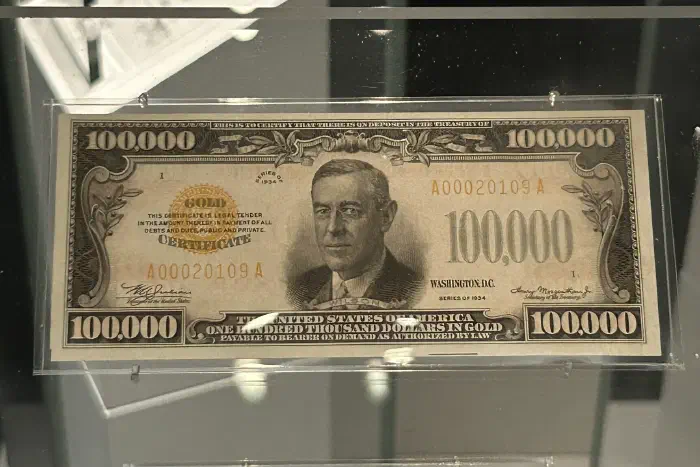

The Front-Loaded Consumer Binge
Consumers actively pulled forward future discretionary purchases, hunting aggressively for promotions before trade walls take effect. Retailers, benefiting from temporary transaction volume, capitalized on consumer urgency to clear inventory. Yet pull-forward demand is a double-edged sword: sales borrowed from the future today guarantee an acute consumer spending vacuum in the opening quarters of 2025.
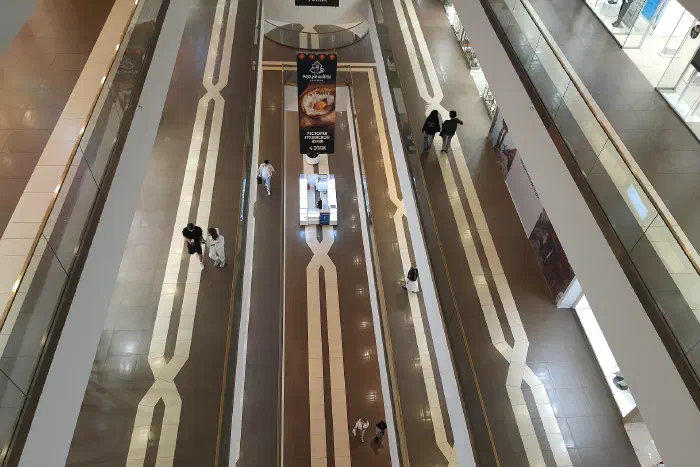

Black Friday’s brisk shopping pace was driven by consumer anxiety over impending tariffs, borrowing demand from tomorrow to finance a temporary, artificial retail sales boom today.