Big Tech keeps spending after DeepSeek
Jevons logic in capex guides

Despite the tectonic valuation shock delivered by DeepSeek, the world's largest technology conglomerates delivered an unambiguous message during late-January earnings reports: the artificial intelligence buildout will not slow down. Meta escalated its 2025 capex forecast to $60–$65 billion, while Microsoft outlined annual infrastructure spending approaching $80 billion, reaffirming their unhedged capital commitments.
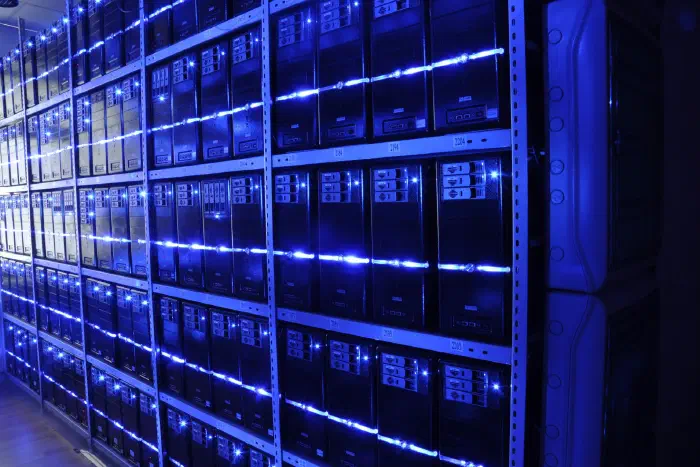

The Jevons Paradox in Enterprise Compute
Hyperscaler management teams view algorithmic efficiency through the lens of the Jevons Paradox. If software optimizations reduce the marginal cost of running intelligent inference queries by an order of magnitude, the total addressable enterprise demand will expand exponentially rather than contract. Cheaper intelligence democratizes application deployment, ultimately requiring vastly greater cumulative server infrastructure, advanced networking, and dedicated utility power capacity.


Free Cash Flow Sacrifices
This aggressive infrastructure race carries tangible financial risks. Diverting the majority of operational cash flows into depreciating digital assets suppresses near-term share buybacks and depresses return on invested capital metrics. Big Tech is intentionally choosing balance-sheet over-investment over competitive obsolescence, betting that scale and energy dominance will outweigh the temporary margin friction of efficiency breakthroughs.