Banks pay the bill for last year's failures
Deposit-insurance recapitalisation charge
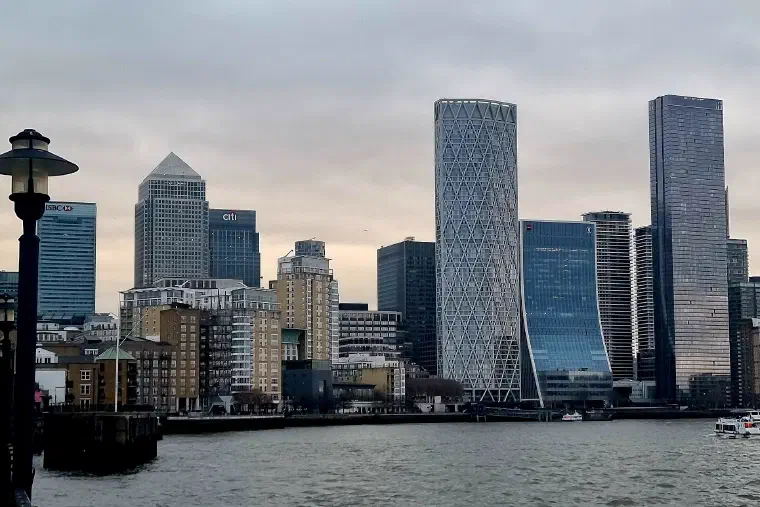
America’s premier banking institutions are paying the final financial bill for the regional banking panics of early 2023. Under Federal Deposit Insurance Corporation (FDIC) rules, the multibillion-dollar cost of bailing out uninsured depositors at Silicon Valley Bank and Signature Bank must be replenished through a special assessment levy on the banking sector. Wall Street's largest institutions are footing the lion’s share of the bill.
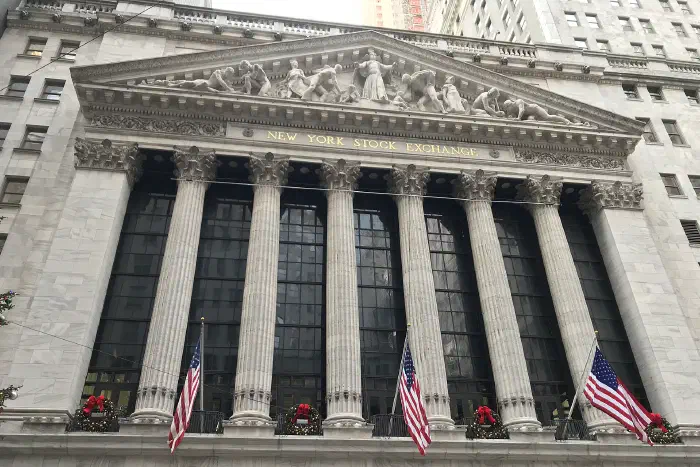

The FDIC Levy Tax
JPMorgan Chase absorbed an eye-watering $2.9 billion charge in its fourth-quarter results, while Bank of America, Wells Fargo, and Citigroup took hits exceeding $1 billion each. The special assessment is an unhedged tax on commercial banking earnings, extracting capital that would otherwise have funded share buybacks or loan book growth. Systemic stability carries an explicit, post-facto price tag.
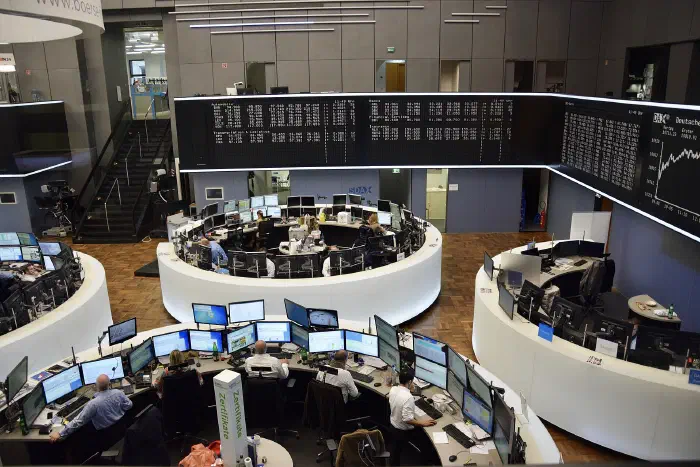

The multibillion-dollar FDIC special assessment formalises the collective liability of the banking system, ensuring that the costs of regional bank failures are paid by Wall Street’s strongest balance sheets.