Back to school: Tariffs hit the shopping list
Apparel/electronics cost pass-through
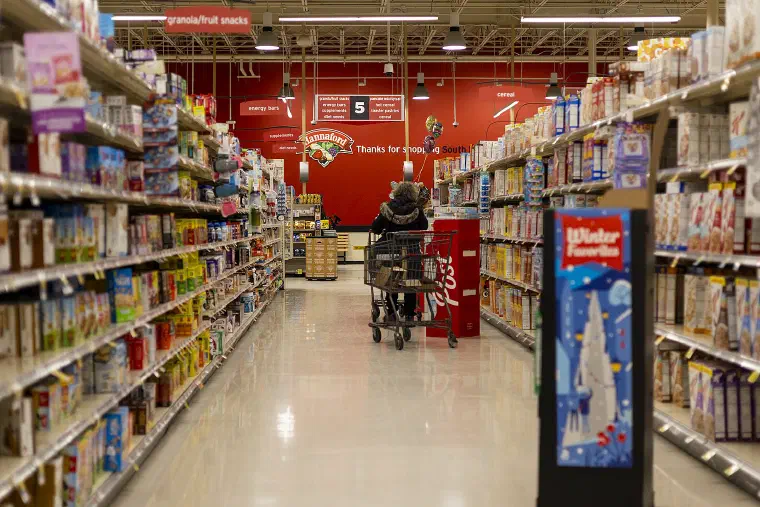
As American families prepared for the annual back-to-school shopping season, retail store shelves delivered an unvarnished lesson in commercial trade economics. The extension of the bilateral China trade truce on 11 August failed to reverse the reality that double-digit tariffs have systematically permeated retail apparel, footwear, and consumer electronics.
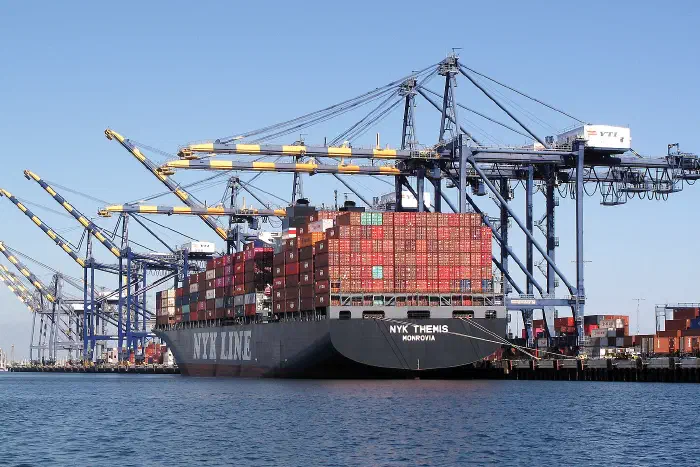

The Inelastic Household Squeeze
Back-to-school procurement represents non-negotiable household expenditures. Unlike discretionary electronics upgrades or luxury travel, parents cannot defer purchasing children's clothing, backpacks, and required educational hardware. Retailers, having exhausted pre-tariff inventory buffers and absorbed margin compression throughout the spring, passed accumulated border taxes directly into retail tags, lifting average school basket costs by eight to twelve per cent.


Working Capital Stress for Retailers
For mid-tier specialty apparel and department store retailers, the season marks an acute operational challenge. Carrying high-tariff inventory requires substantial working capital financing at benchmark interest rates hovering near multi-year peaks. Back-to-school retail receipts confirm that import tariffs operate as an uncompromising household tax, squeezing discretionary consumer cash flows precisely as student loan repayments and debt burdens bite.