Are bank failures doing the Fed's job for it?
Credit contraction substitutes for tightening

As the dust settled on the frantic weekend that dismantled Silicon Valley Bank and Signature Bank, Federal Reserve policymakers confronted a radically altered macroeconomic calculus ahead of their March FOMC meeting. The central bank’s H.4.1 release showed total emergency lending to depository institutions approaching $300 billion, reversing months of quantitative tightening in a matter of days. Yet across Wall Street, a new economic thesis took hold: the regional banking crisis had effectively done the Fed’s tightening work for it. If small and medium-sized banks are forced to retreat into balance-sheet defense, the resulting credit contraction will slow aggregate demand far more efficiently than further interest rate hikes.
The transmission mechanism of this credit contraction runs directly through the real economy. Regional and community banks account for roughly sixty per cent of all commercial real estate lending, fifty per cent of commercial and industrial loans, and eighty per cent of agricultural debt in the United States.
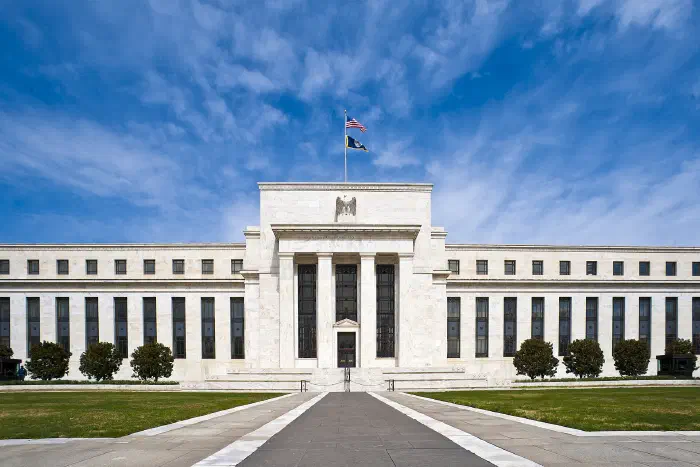

The Lending Freeze
These institutions are not failing in rapid succession, but they are terrified. Confronting ongoing deposit flight and escalating regulatory scrutiny, regional bank credit committees are executing an immediate retrenchment.
Credit standards are being tightened to historic levels, loan-to-value ratios are being slashed, and credit lines to small and mid-sized enterprises are being canceled or non-renewed. This sudden withdrawal of credit acts as an immediate brake on business hiring, equipment investment, and commercial construction.


The Inefficient Substitute
Economists estimate that this spontaneous credit crunch is equivalent to 50 to 100 basis points of additional policy rate increases. But treating bank failures as a convenient substitute for monetary tightening is a dangerous institutional delusion.
Rate hikes are broad, transparent, and reversible; a bank-driven credit contraction is uneven, opaque, and highly non-linear. Relying on regional bank distress to cool inflation is an exercise in macroeconomic Russian roulette; credit contractions rarely stop at a gentle moderation, and an uncontrolled freezing of bank lending risks converting a managed soft landing into a severe balance-sheet recession.