Appeals court rules against the tariffs
Appellate loss threatens receipts

In a historic legal defeat for executive trade policy, the US Court of Appeals for the Federal Circuit (CAFC) ruled 7–4 on 29 August that the administration’s sweeping across-the-board tariffs enacted under the International Emergency Economic Powers Act (IEEPA) were unlawful and exceeded statutory presidential authority.
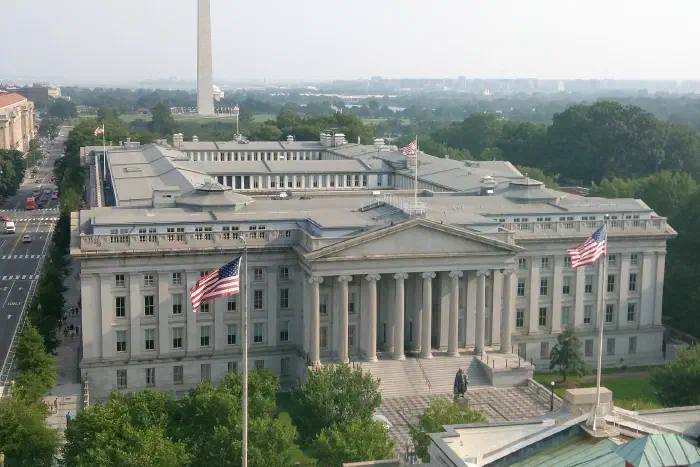

The Multi-Billion-Dollar Refund Peril
The appellate ruling strikes a devastating blow to federal fiscal calculations. Since their implementation, the emergency tariffs have generated tens of billions of dollars in gross customs receipts. By declaring the statutory foundation void, the court opened the door to an unprecedented wave of corporate refund claims. If upheld by the Supreme Court, the federal government could be legally compelled to disgorge upwards of $100 billion in collected duties back to commercial importers.
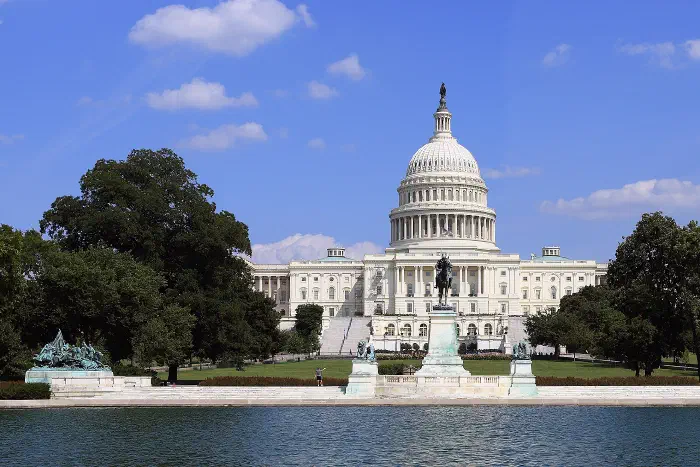

Fiscal and Bond Market Fallout
For fixed-income desks, the appellate decision creates an acute sovereign financing problem. Tariffs had become an integral revenue source offsetting widening federal budget deficits. Replacing $100 billion in lost tariff revenue through additional Treasury debt issuance guarantees an immediate expansion in coupon auction sizes. The CAFC’s rejection of emergency tariff powers threatens to dismantle the administration's primary revenue engine, confronting the Treasury with an enormous refund liability and surging sovereign borrowing needs.