Anniversary: Two years of calls, checked
Forecast error decomposition
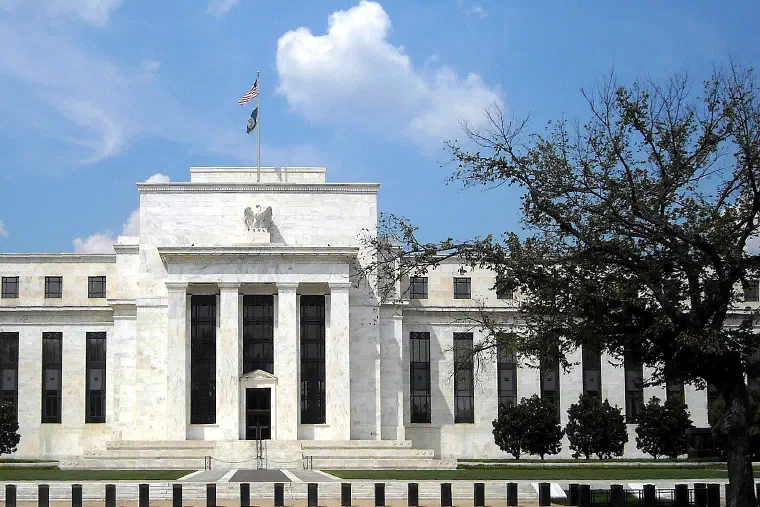
Two years after this column launched amidst soaring inflation and aggressive rate increases, the macroeconomic landscape has completed a remarkable full circle. When we commenced in September 2022, central banks were embarking on panic tightening; today, the Federal Reserve is preparing to initiate its first interest rate cut. Decomposing two years of market calls reveals essential lessons in cyclical humility.


The Forecasting Scorecard
Consensus failed by underestimating the resilience of corporate balance sheets, the cushioning effect of locked-in low debt coupons, and the power of federal fiscal deficits to counteract monetary tightening. Yet the laws of financial gravity were not repealed; their transmission was merely delayed. As rate cuts commence, the true test of post-pandemic debt structures is about to begin.


Two years of macroeconomic forecasting have proved that structural balance-sheet cushions can delay monetary policy transmission, but they cannot permanently immunise the economy from capital costs.