America loses its AAA again. Does it matter?
Governance premium, not default risk
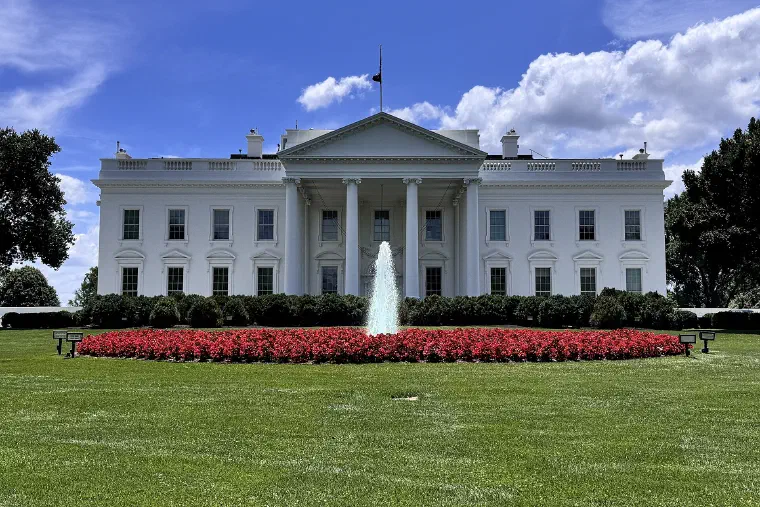
Fitch Ratings delivered an unwelcome dose of fiscal reality on 1 August by stripping the United States of its pristine AAA sovereign credit rating, downgrading it to AA+. Predictably, administration officials reacted with indignation, while equity markets experienced a momentary spasm of risk aversion. Yet nobody seriously believes the US government is at risk of defaulting on obligations denominated in its own sovereign currency.


The Governance Tax
Fitch’s downgrade was not an indictment of sovereign solvency, but a condemnation of institutional governance and structural fiscal deterioration. Repeated debt ceiling standoffs, unfunded fiscal expansions, and the complete absence of a credible medium-term deficit consolidation plan have eroded institutional credibility. The rating agency merely stated what the sovereign debt market already prices: American public finances are on an unsustainable trajectory.


Losing the second AAA rating will not cause an immediate buyer strike for Treasuries, but it formalises a governance discount that will permanently raise the nation's baseline borrowing costs.