A divided Fed
Bimodal SEP distribution
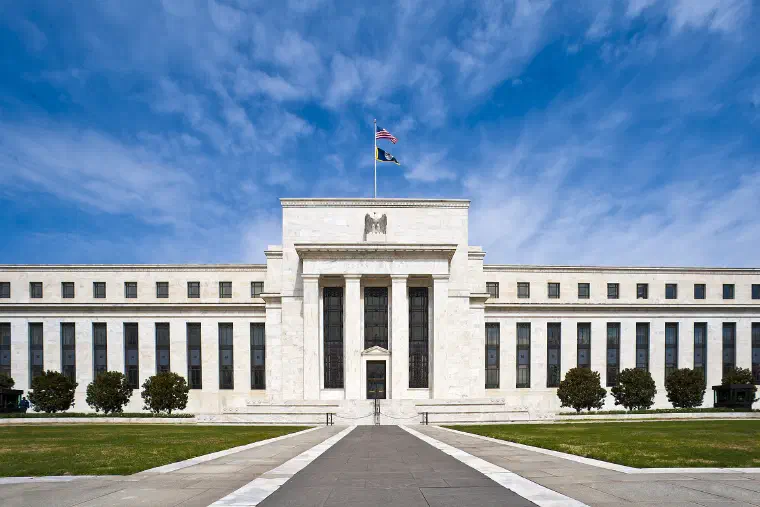
The Federal Open Market Committee's June Summary of Economic Projections revealed an unprecedented, deeply fractured policy consensus. While the headline median dot continued to project two quarter-point rate reductions before year-end, a forensic review of the distribution revealed a stark bimodal divergence: seven of the nineteen committee members projected zero rate cuts for the remainder of 2025.


The Institutional Bimodality
The Federal Reserve has fractured into two irreconcilable intellectual camps. On one side, the institutional leadership views softening labor demand, slower real GDP growth, and rising trade frictions as clear signals to recalibrate policy toward neutral before a recession takes hold. On the other side, a determined hawkish faction points to sticky core services inflation, looming tariff price pass-through, and persistent fiscal deficits as definitive evidence that policy must remain restrictive.


Forward Guidance Breakdown
For interest rate swap desks and corporate borrowers, this wide dispersion renders traditional forward guidance completely useless. The policy-rate trajectory is no longer dictated by a predictable central bank reaction function, but by the shifting voting weights of an intellectually fractured committee. The bimodal dot plot confirms that the Federal Reserve possesses no unified roadmap for navigating this cycle, leaving fixed-income markets to price heightened volatility across the front end of the sovereign curve.