A ceasefire, and oil falls
Oil premium half-life
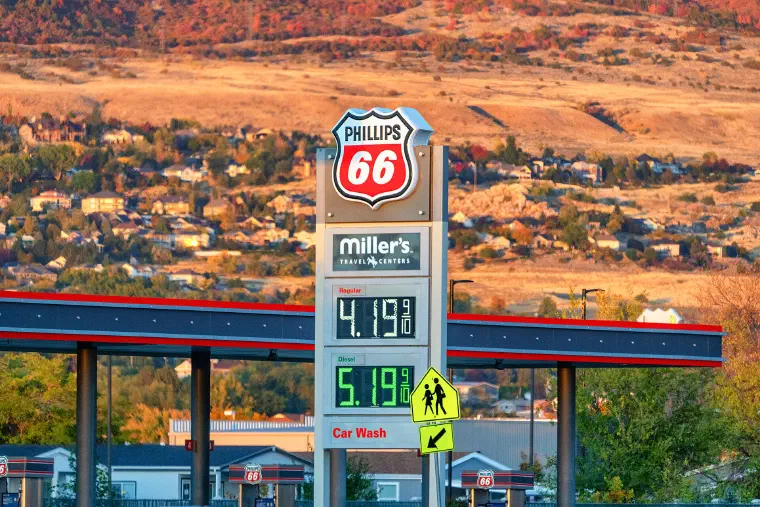
Crude oil prices staged an immediate, dramatic retreat on 7–8 April, tumbling by more than eight per cent as diplomatic delegations from Washington, Tehran, and regional mediators announced a tentative, temporary ceasefire framework. The market reaction provided a live case study in the rapid decay of geopolitical energy premia.

The Half-Life of Geopolitical Premia
Quantitative commodities modeling demonstrates that the geopolitical risk premium embedded in crude oil exhibits a hyper-compressed half-life once active military hostility pauses. Speculative hedge funds that had built massive long-call positions across Brent futures rushed to liquidate contracts as the immediate threat of airstrikes subsided. Front-month crude plummeted from $108 back toward the low nineties in forty-eight hours.


The Physical Verification Hurdle
However, seasoned maritime logistics desks recognized that an announced ceasefire on paper does not reopen a mined waterway. Commercial shipping lines and London war-risk insurance syndicates require physical verification, minesweeping operations, and naval guarantees before re-entering the Strait of Hormuz. Oil's sharp retreat on ceasefire rumors reflects speculative futures liquidation, but deflating the paper energy premium cannot restore physical oil flows until commercial shipping underwriters verify that the waterway is genuinely safe.