145%: a tariff that stops trade
Prohibitive tariffs halt bilateral trade
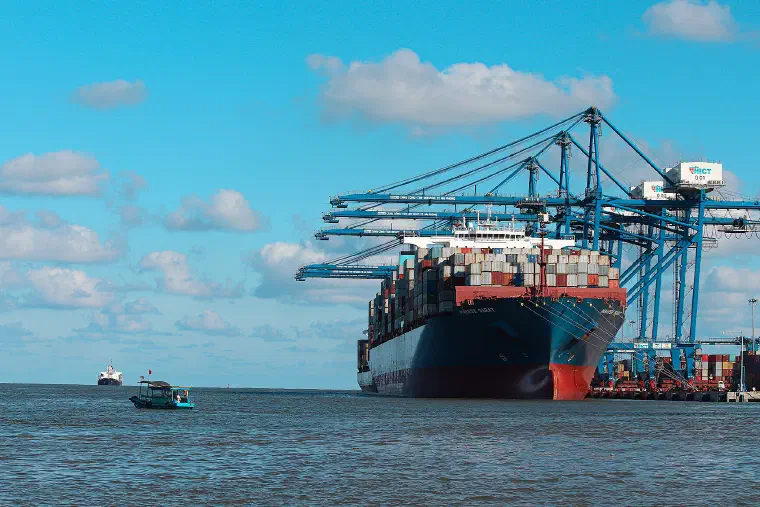
The trade conflict between the United States and China reached a surreal, unprecedented climax as bilateral tariffs escalated into outright economic warfare: Washington hoisted duties to a staggering 145 per cent on Chinese imports, while Beijing retaliated with 125 per cent levies on American goods. Tariffs set at these astronomical levels are no longer revenue-generating trade taxes; they are de facto commercial blockades designed to halt all bilateral commerce.


The Mechanics of Complete Trade Cessation
At an effective duty of 145 per cent, commercial trade ceases to function. No consumer electronics importer, textile distributor, or component fabricator can absorb or pass through a border levy that more than doubles the landed price of goods. Supply chains do not adjust; they shut down entirely. Bilateral trade volumes between the world's two largest economies face an immediate, catastrophic cliff, idling container shipping capacity and stranding transpacific logistics routes.

Supply-Chain Severance Realities
For American industries dependent on specialized Chinese inputs—from active pharmaceutical ingredients to rare earth processing components—substitute capacity cannot be engineered overnight. The result is acute supply rationing, production line shutdowns, and severe domestic shortages. A 145 per cent tariff is an embargo masquerading as trade policy, forcing an immediate, involuntary decoupling that will impose severe real economic costs on domestic consumers and manufacturers alike.