Three Fed officials want a hike
Minority votes signal next move
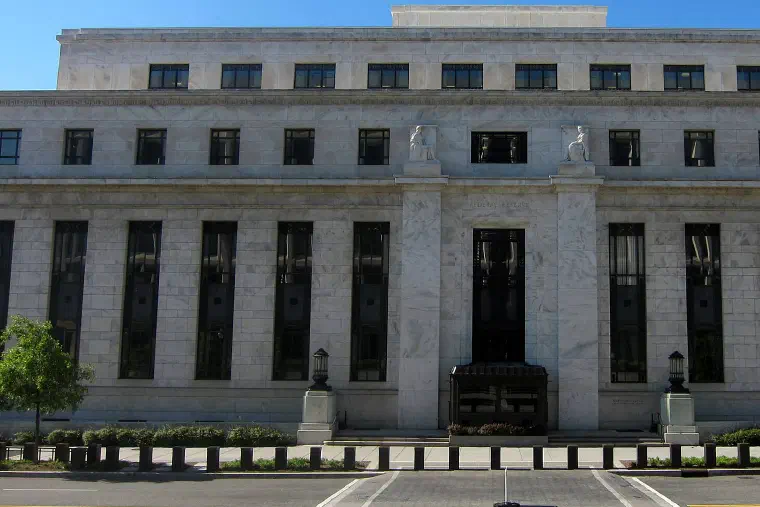
The official voting record of the Federal Open Market Committee’s 29 July meeting revealed an unmistakable, historic hawkish shift: the committee voted 9–3 to hold benchmark interest rates steady, with three dissenting members demanding an immediate 25-basis-point rate increase. In central banking history, a triple dissent for higher rates is the definitive precursor to an official policy hike.

The Minority as the Forward Indicator
FOMC history demonstrates that when three voting members formally break with the consensus to advocate for policy tightening, the committee’s center of gravity has shifted irrevocably. The dissenting members cited surging second-round energy inflation, persistent unit labor costs, and resilient consumer spending as clear proof that the current 3.50–3.75 per cent policy rate is insufficient to contain inflation expectations.


The Closing of the Easing Cycle
The 9–3 vote officially slams the door shut on the monetary easing cycle that began in late 2025. Institutional fixed-income desks recognized that Chairman Warsh’s leadership is preparing the market for an imminent return to monetary tightening. A 9–3 vote with three hawkish dissents is not a pause; it is an active staging ground for a rate hike, signaling that the Federal Reserve will resume monetary tightening the moment incoming economic data permits.